
The trip report
Written by minh
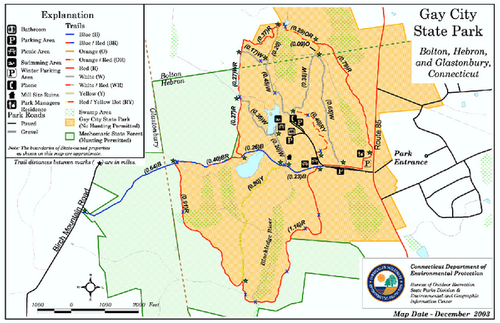
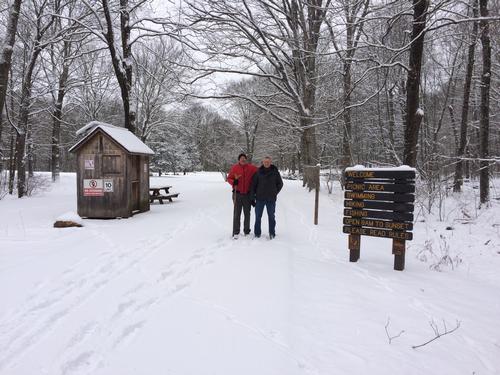
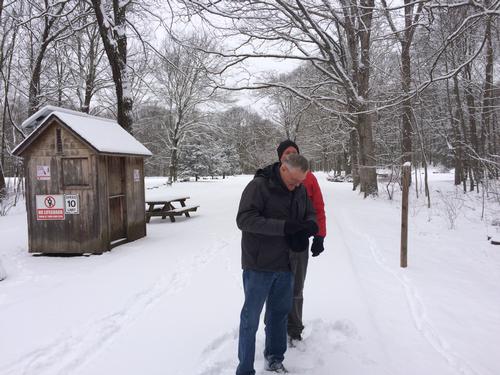
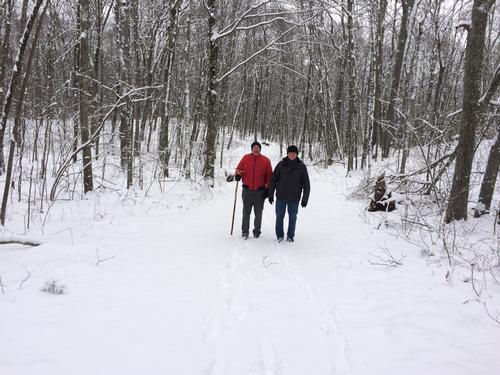
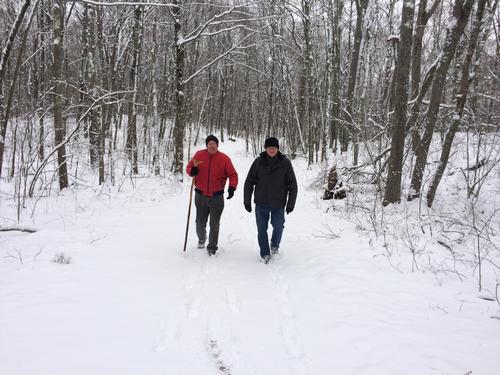
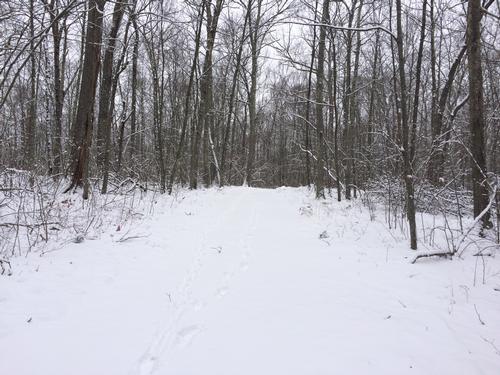
Gary, Ron, and I had a wonderful time hiking for two hours at Gay City State Park. The snow died down shortly after we got there, and there was enough snow to make things beautiful but not enough to hamper the hike. We walked over four miles down the white, red/white, red, red/blue, and blue trails, enjoying good conversation while taking in the wonderful winter scenes. We crossed several bridges with untrampled snow, a few picnic areas, and the pond. We followed the blue trail which wound its way on top of the dam and came back to the main road. In all, it was a very nice two-plus hours, and I hope to do it again some time soon.
Event photos (6)
Reactions
Log in to react to this trip report.
About this event
This will be an easy hike to get the blood moving a bit as the weather again cools. Depending on who signs up, we'll take one of the trails that will last 1.5-2 hours, with an opportunity to go further if desired. Afterwards, we can have a coffee or light lunch nearby.
Located on the Hebron-Bolton town line, Gay City's 1,569 acres of parkland offer swimming, picnicking and an almost endless opportunity for exploration. The name "Gay City" derives from a now-extinct mill town that once occupied the site. Today only some tumbling stone foundations, several grass-filled cellar holes and a few silent tombstones suggest its former existence.
Gay City was first settled in 1796 by a religious sect led by Elijah Andrus and later by Rev. Henry P. Sumner. The Gays soon comprised the majority of the 25 or more families who then lived in the community. The residents kept strictly to themselves, existing as distinctly separate from the neighboring communities. They built a sawmill along the Black Ledge River and erected homes from the lumber.
Gay City's fate changed with the successes and failures of several commercial enterprises. A woolen mill on the site 1/4 mile below the present pond was a successful business until extreme pressures caused by the various blockades during the War of 1812 brought its closing. Once revived, the mill burned to the ground in 1830, beginning the town's decline with the exodus of many people to urban factory jobs. Rev. Sumner's son built a paper mill which again revived the town somewhat until the Civil War, when many of the town's younger men were killed in battle. Soon after, the mill burned down, triggering the final demise of Gay City and nature's reclaiming of the land. In 1944 Gay City was designated as a state park.


Comments
No comments yet.
Log in to join the conversation.