
Cactus to Clouds
The inspiring, epic and ultimate Southern California dayhike
Cactus to Clouds
The inspiring, epic and ultimate Southern California dayhike
Details
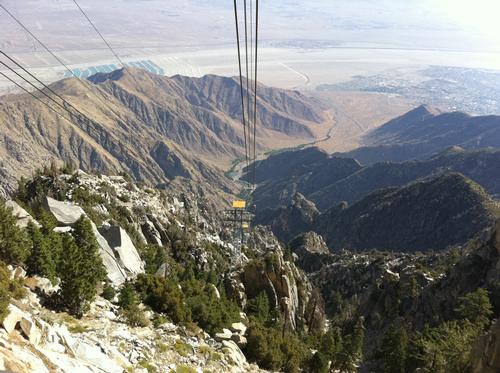
Climbing from the floor of the Sonoran Desert to the 10,834’ alpine summit of Mount San Jacinto, this is without question one of the world’s most difficult hikes. Each year, thousands of hikers attempt it, but inevitably several pay the ultimate price for a lack of preparation. Hyperthermia, hypothermia and dehydration are real, life-threatening risks that Cactus-to-Clouds hikers must carefully avoid.
Our reward, however, will be sensational views along the entire route, coupled with an unmatched sense of accomplishment. After summiting Mt. San Jacinto, we will return to the valley floor in the afternoon via the Palm Springs Aerial Tramway.
We’ll hike almost 22 miles round trip at high altitude with over 10,000’ of elevation gain. That’s only 800 feet shy of the climb from Mount Everest basecamp to the summit of Mount Everest, and more than a vertical half-mile more than the climb up Mt. Whitney, the tallest point in the contiguous United States.
This hike will be extremely strenuous and is suitable only for experienced hikers in peak condition. The hike leader reserves the right to qualify participants.
Our hike will begin at 3:00am and take us about 13 hours to complete, including a lunch stop at the summit. A forecast of rain or snow 48 hours before our start cancels, as does fewer than four signups as of 8pm, Wednesday, November 7. Pack at least 6 liters of water, lunch and the rest of the Ten Essentials, including clothing for a wide range of temperatures.
Directions
We will meet at the Palm Springs Art Museum, 101 N Museum Dr, Palm Springs, CA, 92262 at 3:00am SHARP on Sunday, November 11. Park on the street, not in the museum parking lot.
About this event
Climbing from the floor of the Sonoran Desert to the 10,834’ alpine summit of Mount San Jacinto, this is without question one of the world’s most difficult hikes. Each year, thousands of hikers attempt it, but inevitably several pay the ultimate price for a lack of preparation. Hyperthermia, hypothermia and dehydration are real, life-threatening risks that Cactus-to-Clouds hikers must carefully avoid.
Our reward, however, will be sensational views along the entire route, coupled with an unmatched sense of accomplishment. After summiting Mt. San Jacinto, we will return to the valley floor in the afternoon via the Palm Springs Aerial Tramway.
We’ll hike almost 22 miles round trip at high altitude with over 10,000’ of elevation gain. That’s only 800 feet shy of the climb from Mount Everest basecamp to the summit of Mount Everest, and more than a vertical half-mile more than the climb up Mt. Whitney, the tallest point in the contiguous United States.
This hike will be extremely strenuous and is suitable only for experienced hikers in peak condition. The hike leader reserves the right to qualify participants.
Our hike will begin at 3:00am and take us about 13 hours to complete, including a lunch stop at the summit. A forecast of rain or snow 48 hours before our start cancels, as does fewer than four signups as of 8pm, Wednesday, November 7. Pack at least 6 liters of water, lunch and the rest of the Ten Essentials, including clothing for a wide range of temperatures.
Directions to the trailhead
Get directionsWe will meet at the Palm Springs Art Museum, 101 N Museum Dr, Palm Springs, CA, 92262 at 3:00am SHARP on Sunday, November 11. Park on the street, not in the museum parking lot.
Who's going (3)
Questions about this event?
Reach out to the host, CJDGO, for route details, carpooling, or what to bring.
Email the hostYou can also ask in the event discussion below.
Event discussion
As for the "Ten Essentials," be sure to pack a headlamp and fresh batteries, since the first 3-4 hours of our hike will be in darkness.
CJ’s note about water is CRITICAL. We'll do an early assessment to make sure we're all on track, and another at 4,300’. Anyone struggling will need to turn around for your own safety. After that, it becomes more dangerous to descend (due to the heat/lack of shade) than to keep going up.
Log in to join the conversation.